アートとゴミとの融合

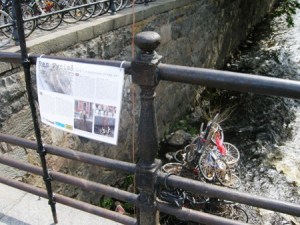
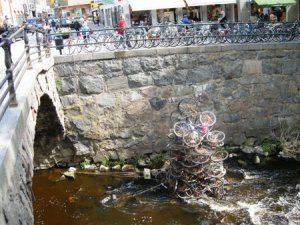
 境報告書(感想文)の前書きに、「ウプサラでは、スウェーデン人たちがよくふざけて自転車を川の中へ投げ込むらしい。これを聞いて大きなショックを受けた」ということを書いたことがある。実際、フィリス川を見て歩くたびにこれは酷いなと感じていたのだが、先日から川の中心に変な展示物が現れた。なんと、自転車の残骸の山ではないか。

 I once mentioned in my environmental report that I was surprised to know some crazy Swedish people sometimes throwed bicycles into the river in Uppsala. In fact, I have seen so far some bicycles floating in Fyris river. The other day I found something strange suddenly appeared in the center of the river. It was a mountain of accumilated bicycles.

          DSCN3765

          DSCN3768

 ここには説明書きまで添えられていた。 There was a paper explaining about it.

 これによると、毎年100台から200台の自転車が引き上げられるとのこと(4月末のValborgという春祭りの前にダイバーたちが引き上げるらしい)。近年のクリーン活動により川は昔よりもずっと奇麗になったものの、それでも看過できない問題だ。そこで立ち上がったのが建築やデザインに従事している市民の人たち。彼らが中心となり、川への投げ込みを止めさせるために行政と協力してこれを作ったらしい。自転車の残骸を見てみると、その天辺に糸がついている。どうやら魚釣りみたいに自転車も釣ってしまおうということらしい。アートとゴミの融合ですね。グッジョブ!!

 According to this, about 100 to 200 bicycles are pulled out from the river when they try to clean up every April. Although the water itself is getting cleaner than before due to some efforts, the bicycle-related problem still exists. The people who are dealing with architecture and designing stoop up to tackle this issue. Together with public administration, they came up with the idea of making up the mountain of bicybles. A rope is tied up with the top of the bicycle garbage, which looked like someone is trying to fish up the garbages. This is what we call mixing Art and Garbage. Good job!!

 こちらにもサイトがあり、詳しい説明が見れる。http://renfyrisa.blogg.se/

 You can see the detail on this site.

カテゴリー: スウェーデン(その他) | コメントを残す

スウェーデンの緑の都市・マルメ

 れだけはちゃんと書いておかねばと思っていたのですが、またしても遅くなってしまいました。マルメ市についてです。マルメ市はスウェーデンのグリーンシティーといわれるように、緑が多く環境にも配慮した町として知られています。最近ではフェアトレードシティーとも呼ばれているそうです。ストックホルム、ヨーテボリに次ぐ第三の都市で、30万弱ほどの人が住んでいます。

 I have not written for some time. I visited Malmö three weeks ago, the city of which is said to be the most green city in Sweden. It also has a long history and recently been nominated as an official fair-trade city. Now the population is around 300,000 people and this makes it the third biggest city in Sweden.

 前回、マルメ市に行ったのが2月の中旬。そのときは暗く厳しい冬の真っ只中でした。雪に覆われて寒かった思い出があります。そのイメージがあったからか、今回、春の到来とともに訪問してみて改めてグリーンシティーとしての魅力に驚かされました。同じスコーネのルンド市も同じような雰囲気を持っていますが、スウェーデン特有の水の流れに沿って作られる町の中心街、そして2キロ離れたところに広がる開放的な海岸線。これらがまたマルメの町並みにユニークな明るさを与えています。

 It was this febrary that I had been to Malmö last time, at that time the city was covered with white snow in dark. Because of that memory, I was astonished to see the town in much brighter atomospher with arrival of spring. While Malmö and Lund has something common in terms of Skåne, because Malmö has the river flowing around the center as well as long coasts facing sea, it gives more uniqueness to this city.

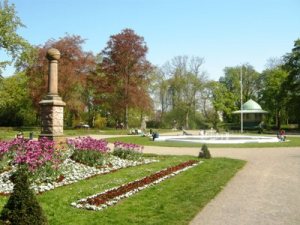
 マルメ市の中心地にある大きなストリート、大きなスクエアなどでは、ほとんどの建物が昔のまま保存されています。道はほとんど石畳で、家々は赤いレンガに所々に補修を施した木々の跡。少し離れたところにはミニチュアおもちゃのように可愛いマルメ城が水に囲まれて存在感を示しています。そしてマルメ城の後ろに位置する公園には昔からの広大な緑の芝生が広がり、その一角にはある植物園では、桜やチューリップといった多様な花々が色鮮やかな光沢を加えています。

 Around the center along the stone-filled street, there are many buildings which were preserved as they were built for a long time ago. And Malmö castle, which looks like miniture craft, is standing in the center covered with water around. Behind the castle, there is a large park with green lawn where you can find a plant area in which many flowers such as cherry blossm and tulip provide a bright color with the place.
 
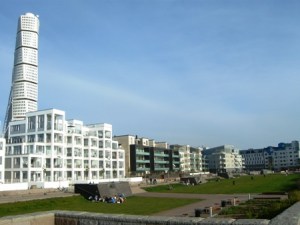
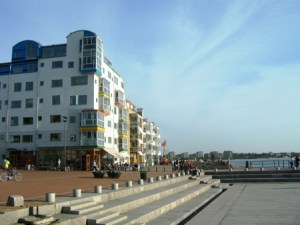
 マルメ市の魅力はここだけではありません。マルメ市の魅力は、この美し過ぎる中心地の古い町並みと、海岸線に沿って開発されている西海岸地区の超モダンな建物郡の風景とのコントラストにあるといってもいいかもしれません。西海岸地区のシンボルは、2005年に完成したターニングトールソー(ねじれた胴体)。そしてここの海岸線に沿って、22世紀的なスーパーモダンの建物郡がモデル展示場よろしく立ち並んでいます(実際に最初はモデル展示場として開放されていたらしいです)。

 However, These are just a few attractive points in Malmö. What makes Malmö even more attractive lies in the contraction between this old-fashioned town-view and the super-moderning seneary in west-harber-area which is under construction along the coast. The symbol buiding of this area is the one called “Turning Torso”, which was constructed in 2005. Moreover, many super modern-tasted buildings are also standing along the coast.

          DSCN3591

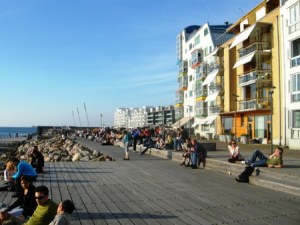
 ここの海岸線の向こう側にはオーレスン海峡があり、その先にはもうデンマークです。夏になるとこの西側海岸地区には毎日2万人の人で溢れるそうです。ちなみに、ここにあるエスプレッソハウス(チェーン店)というコーヒー店がスウェーデン国内で最も混雑するコーヒーショップなんだとか。みんな日向ぼっこして何をするとなく過ごしています。こういうのがスウェーデンのハピネスなのですね。

 Ahead of this coast is a Olens sea and Denmark is just over there. In summer, this west-harbor area is filled with over twenty thousand people and the Espresso cafe is the one which is the most crowded in Sweden. Everybody who comes here is doing nothing particular, just lying on the coastside. I would say this is typical secenry of Sweden.

           DSCN3600

           DSCN3602

           DSCN3606

           DSCN3596

           DSCN3610

 スウェーデンは本当に空間作りが上手いと思います。ある一つのカッコいい建物を建てるのはたぶんどの国でもやる気になれば可能なのでしょうが、この西側海岸地区のようにターニングトールソーだけでなくそれを含む空間全体をプロデュースできるというのはとても稀なことだと思います。官による土地所有の伝統の副産物なのか、市民の都市計画の参加がそうさせるのか、それとも建築家や不動産会社の協調主義の結果なのか―。いずれにしても、すごく感心させる町作りです。すごいすごい。

 What I admire most about Sweden is that they are very good at making use of space. While it is not so difficult to construct the cool building like Turning Torso itself, but desinging and producing a whole area comfortable is not so easy. Is this made possible because of the by-product of the long-tradiotional political culture of state-right of propriety, because of the active participation of civilians, or because of collectivism between public administration and architects, developers? In any case, I think this is an admirable city-designning.

 スウェーデンに来たら、ぜひマルメを訪れてみてください。
 I reccomend to visit Malmo if you come to Sweden.

カテゴリー: スウェーデン(政治・社会), スウェーデン(旅行) | 16件のコメント

イスタッドとルンドの旅行

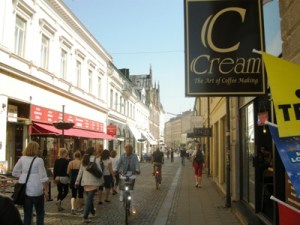
 月の終わりに両親とスウェーデンの南のほうへと旅行に行ってきました。スウェーデンの端っこの町はすでに春が到来しているのか、心地よい暖かさとあふれる緑に包まれていました。僕の住んでいる北のウプサラ市と南の端っこにあるマルメ市では季節の到来が二週間ほど違うらしいです。外で日向ぼっこしている人の割合も何となく多かったような気がします。

 I have been to the south of Sweden with my parents. The spring has already arrived there and was filled with the gentle weather in lively greens. In the south of Sweden like Malmö, the change of season comes almost two weeks earlier than in the north part like Stockholm and Uppsala. I got the impression that more people enjoyed lying outside on the green lawn.

さて、マルメ市から電車で50分ほど海岸線に沿って東の内陸部へ行ったところに、イスタッド(Ystad)という小さな町があります。ここは観光地としてそれほど知られているわけではないのですが、中世の古い町並みがそのまま残っている綺麗なところということで行ってきました。現在は3万人弱の人が住んでいるらしいです。(いま見てみると、紹介できるような良い写真があまりなかった…)

 There is a city called Ystad, in which is located fifty minutes away from Malmö by train. Although this city is not so famous for a tourist spot, we decided to visit there because it was said to remain the beautiful traditional view of town from mediterrian era. They say that almost thirty thousand people are living there now.


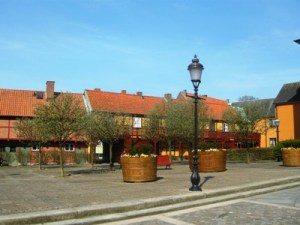
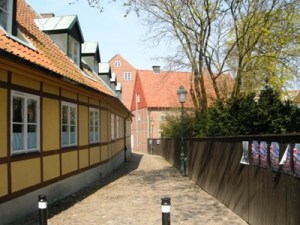
 もともとスコーネ地方(南の地域)は1658年までデンマーク領だったこともあり、やはり北とは町の雰囲気が少し違います。とにかく石畳の道が多い。古い家や建物も低い。赤トレードマークのレンガだけでなく15世紀に作られたという木造の家々もまだたくさん残っているのがここの特徴で、映画に出てくるような中世の町並みそのままです。ストックホルムのガムラスタン(旧市街)もとても綺麗ですが、家や建物がとても低いので、イスタードの町並みは広々としてとにかく明るいです。

 The atmospher in Skåne is much different from the one in northern Sweden, for the area was governed by the Denmark until 1658. Many streets sill made of hard stones. The houses and buidings so low. And you can see a lot of traditional buildings which were made of trees in 15th cencury. It looks like the cute place that you can see in a typical movie scene in European countries. The town is so open that it is filled with sun shine.

        DSCN3556

        DSCN3566

        DSCN3569

        DSCN3567

 そのあと、ルンド(Lund)に行ってきました。ルンドは大学の町で、約10万人ほどの町に4万ほどの学生たちが住んでいるそうです。北のウプサラ、南のルンドといって、よくどっちの大学が上なのかと言い争いになることも(?)。この地にルンド大学が作られたのは1668年のことです。上で書いたように、スウェーデンは、スコーネの戦いの勝利により、デンマーク領だったスコーネ地方を無理やり剥ぎ取ったのです。

 Then, I went to Lund and stayed there for one day. Lund is a university town, where almost fourty thousand out of one hundred people who live there are students. Some insist that Lund university is much better than Uppsala….I am not so sure about that, though. It was 1668 that Lund university was established here. As I wrote above, Sweden forcefully took the area of Skåne from Denmark at 1958 at the fighting of Skåne.

 当時のこの地域に住んでいた人達はデンマークにシンパシーがあり、国王のカール・グスタフ10世が訪れたときも喜んで迎える人はほとんど居ませんでした。そういう地域をスウェーデン化させるためにもこのルンド大学は作られました。(…そのためか、ストックホルムの人たちはいわゆる標準的なスウェーデン語を話せないスコーネの人を揶揄したりします)。

 The people who had been living there at that time was more attached to Denmark than Sweden, and therefor, when Carl Gustaf 10th, the king of Sweden visited this place, there were few people in the streets who celebrate and welcome him…(Some people in Stockholm mock the people in Skåne for their way of pronunciation in Swedish).

       DSCN3671

       DSCN3672

       DSCN3663

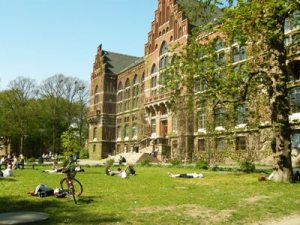
 ルンドの町並みは、イスタッドと似ていて石畳の道がとにかく多い。ただイスタッドよりも少し雑多な感じがします。大学生も多く町には人が溢れていて活気に満ちていました。大学の施設も町の中心に密集していてとてもコンパクト。そして、あらゆるところに公園や庭があって人々はそこで日向ぼっこ。こういう開放的で心地よい空間の使い方は本当に羨ましいと思います。僕の住むウプサラには町の中心にフィリス川が流れているので、ルンドとはまた異なった良いアクセントがあるのですが、大学の密集度とコンパクトという点でいえば、ルンドのほうが良いかもしれませんね。

 There is the same atmospher about Lund as Ystad, in that they have a lot of stone streets. while Ystad is more well organized than Lund. But the town was covered with students, which gave me the impression of lively town. The university instituions and building are concentrated on the center of the town and almost everywhere you can find gardens and parks with green lawn. on which people just let themselves relax. I am really envious of these luxurious ways of using public space. While Uppsala has its own unique atomospher, Lund looks like more of a university town given the fact town is rather compact than Uppsla.

                 × × × × × × × × × × × ×

 ルンド大学では、慶應から留学している友達に会ったり、ルンド大学の日本語学科の先生と何人かのスウェーデン人と会って話しを色々と聞きました。ここの日本語学科はスウェーデンでも人気の学科で有名です。去年の場合は、約60人の枠に400人以上の応募があったそうで、何年もトライしても入れない学生もたくさんいるそうです(応募者増加率は大学で一番だそうです)。
 At Lund, I met a Japanese friend from Keio University and also was fortunate to talk to a professor at Department of Japanese as well as some swedish students studying Japanese. I heard that this Japanese department is very popular now in Sweden. For example, although about 60 people were allowed to enter this place, almost over 400 hundred people applied last year. As a consequence, some students could not get in even if they tried for many years.

 学習カリキュラムもみっちりで、日本の歴史や思想、文学なども学んでいます。二年生の段階では、芥川龍之介などの旧仮名遣いも読むそうです。僕が会ったスウェーデンの学生たちは本当に勉強熱心で、一年間しか学んでいないのに、日常会話程度なら難なくこなせていたので、びっくりしました。経済的に利益が在りそうだからという功利的な理由よりも、日本や言葉それ自体に対する純粋な感心から日本語を学んでいる人が多いとも聞きました。なんとも嬉しいことではありませんか。

 The curriculm for this department is very comprehensive, ranging from history, culture to literature. At the second year, They are supposed to learn some old way of writing in Japanese from the literature of Akutagawa Ryuunosuke. The swedish students who I met there were such serious learners that even just one year learning made them manage to have daily communication, which surprised me much. The professor explained to me that swedish students usually start learning Japanese because of the pure curiousity for Japanese culture and Japanese language, not for the pursuit of the economic status.

        DSCN3650

    ルンドで僕が泊まった電車で作られたユースホステルです。…狭いです。 

カテゴリー: スウェーデン(旅行) | 2件のコメント

スウェーデンに春がやって来た

 の一週間は両親がスウェーデンに来ていたので、私も一緒にストックホルム、ウプサラ、マルメやルンド(南)、そしてデンマークのコペンハーゲンを旅行してきました。南のマルメやルンドはウプサラよりも緑で溢れていてとても綺麗でした。これについては、また近いうちにまとめて書きたいと思います。

 I have been traveling for a week with my parents, who visited me in Sweden. We traveled around Stockholm and Uppsala, and then moved to Malmo and Kopenhagen. Malmo and Lund, which are located in southern part of Sweden, was so beautiful, filled with green tree and plants. Probably I will write about it later.

 昨日4月30日はスウェーデンで最も大きなイベントの一つ、「VALBORG」がありました。春の訪れをお祝いするイベントです。とくに学生の町のウプサラとルンド(南)ではこのイベントが大々的に行われます。私の住むウプサラでは、多くの人波が押し寄せて、テレビの中継も行われていたようです。以下、このイベントの流れについて書きたいと思います。

 Yesterday, there was “Valborg”, one of the biggest traditional events in Sweden, which was designed to celebrate the arrival of spring. This event was held in large scale in the student cities like Uppsala and Lund. In Uppsala where I live, there were so many people coming and the event was broadcast by TV company. I will talk about the event in details below.

 この日の朝はまずシャンパンからスタートします。起きたらすぐに町の中心を流れるフィリス川の緑の川辺に行って朝ご飯を食べて、一緒にシャンパンを飲みます。僕は朝の9時くらいに友達たちと一緒にブランケット(こっちでは毛布みたいなものを下に敷くのが普通)を敷いて場所を取って寝ころがりながらお酒を飲んでいました。あっという間に芝生の上は人という人で埋め尽くされていました。

 The morning starts with champaign. After getting up, people were supposed to go to the river and eat breakfast with champaign. I went there with my friends and sat down on the blanket on the ground. The river-side space was getting packed with people in a few minutes after we arrived.

 すると、川の上流から異様な小船が次から次へとプカプカと流れてきました。これはvalborgの最初のイベントで、学生たち(4名くらい)が自分たちで作ったボートを披露しながら、川を渡っていきます。船は一つ一つに趣向が凝らされており、学生自身も仮装に身を包んでいます。例えば、バルト海クルーズに使われるVIKING LINEを小さく作った船やSOMALIAの海賊の船、CO2を出して何か問題でもと掲げた船、メルヘンチックな船…などなど。

 Then, here came some weired small boat, floating over the river. This was the first event of Valborg. The boats that students made by their own were all decolated in a unique way and the students themselves were wearing unique clothes. trying to go through the rivers from up and down. Some boats looked exactly like the “Viking Line” which is a shipping company used for the Baltic clause. Some looked like the viking ship which was in Somalia, and the one whose sign said that “is there any problem for emitting CO2?”

           DSCN3683

           DSCN3682

           DSCN3686
      
 これら小船たちはお互いに水風船を投げ合って戦います。面白いことに、川岸から見ているオーディエンスの子どもたちもこれに参加して水風船を投げつけていました。ちなみに、学生の船は大抵、この先の急流に飲み込まれて転覆します(笑)。小さい子どもから大人、高齢者まですべての人達がここに集まり、これを見て楽しみます。とても牧歌的で田舎的な雰囲気。まさにスウェーデンの雰囲気です。

 These boats fight each other by throwing water balls. What was funny is that the children on the river-side, even as audience, took part in throwing the water balls…. By the way, almost all boats were overflowed at some stage of river. Small children and adults as well as old people gather together in this area and enjoying this seanery.What a peaceful view is this! I think this is really Swedish way of celebrating spring.

            DSCN3691       

 このあと学生たちは人文社会学の建物の前に広がる緑溢れる公園に行き、ロックバンドの音楽をバックに聞きながら、お酒を飲んで昼食を食べます。ここでは僕たちは小さい炭火を使ってバーベキューをしました。僕は一人「浴衣」を着てきたので、かなり注目を浴びてしまいました。恥ずかしいといえば恥ずかしいのですが、スウェーデン人からよく声を掛けられたことを思えば、それなりに良いコミュニケーションツールにはなったと思います。

 Afterward, the students moved to the park in front of the social science building and had a barbecue there for lunch, listening to the music on the stage. We did use the tiny charcoal for our barbecue. There among crows, I stood out with my wearing “Yukata”, a traditional Japanese summer cloth. Although I felt a bit embarassed, it would be a good communication tool, considering the fact that a lot of people happily contact me.

          DSCN3694

 この後、NATIONという学生組織の建物に行って、シャンパンの掛け合いを行いました。この時間帯はカロリーナ総合図書館で、ウプサラ大学の学長のお話があるのですが、そんなことはお構いなしにシャンパンをジャバジャバと掛け合い、そしてデロンデロンになった酔っ払いたちで町は溢れかえります。びっくりするのは大量のゴミの山。自分のゴミ(酒や料理)を全く片さないので、そこらじゅうにゴミが溢れます。市のゴミ清掃係の人が掃除をしているまさにその横で、ゴミ(ビール瓶とか)を投げ付けていきます。「誰かが片付けるからいいんだ」という精神性にはほんとにうんざりしてしまいます。

 Then, students move to the nation, where they started to throw champagne to others. It was around the time we were supposed to go to the library Catolina and listen to what the chansellor of our university had to say…. Nobody cared about it. People just drank as many alchohol as possible and the city was full of drunken people. Yes indeed, there were so many garbages anywhere out in the streets. People just threw their garbage away on the street even though the city staff were cleaning out them at the same place. I was really disgusted by their mentality that someone else should clean up anyway.

 シャンパンシャワーのあとは、みんな寮に帰ってシャワーを浴びて再びクラブに飲みに出かけます。…本当ならばウプサラ城に行って火を炊いてそれを見ながら歌を歌うというのが普通なのですが、やはり学生には関係ないようですね。valborgは学生にとっては単なるお酒を飲んで騒ぐための免罪符が与えられるの日といえるでしょう。

 After the champagne shower, people went back to their home and took shower, changed into new cloth, then went to club for another drink. Again we were supposed to go to the Uppsala castle or Gamla Uppsala and sing songs in front of big fire….Students just did not care about anything but drinking. Valborg is the day when students could get an indulgence for drinking and making noise.

カテゴリー: スウェーデン(その他) | コメントを残す

ストックホルムでカラオケボックス

 週の一週間はウプサラの大学はイースター(復活祭)で休みでした。ストックホルムの阿久根さんに色々とストックホルムの穴場を案内してもらったり、ストックホルムの高校の日本語の授業に参加させてもらったり、また、イギリスとフランスに交換留学している友達たちがスウェーデンに遊びに来ていたりと、とても楽しく過ごしました。
 Uppsala University has been closed on vacation during easter. I enjoyed vacation by joining picnic tour around Stockholm and participating in a Japanese course at high school in Stockholm. And my friends who are studying in Britain and France came to visit me in Sweden. I had a good time then.
 そして18日(土)はストックホルムの王立公園でお花見のイベントがありました。日本人やスウェーデン人の方たちがステージに出て、唄を歌ったり、書道をしたり、着物を披露したり。たくさんの人達で込み合っていて、知り合いを探すのも大変なくらいでした。ただ、肝心の桜は残念ながらまだつぼみの段階。しかも当日は太陽は出ていながらもすごく寒くて(たぶん五度くらい)、なんと雪もパラパラ。白い雪のチラつくお花見は初めての経験でした。
 On Saturday 18th, there was a Hanami(cherry blossom picnic) party at the king’s park in Stockholm. On the stage, Swedish as well as Japanese were singing songs, performing calligraphy, and showing up wearing in Kimono. The place was so crowded that it was even difficult to find my friends. However, the cherry blossom was not fully opened and it was so cold outside, even a bit of snowing in the sun. I have not had any snow at Hanami in my life since then.
 そのあとは日本人とスウェーデン人の友達と一緒にカラオケに行きました。スウェーデンに来てから二回目です。ウプサラではあるかわかりませんが(友達いわくそれっぽいのが一つあるらしい)、ストックホルムにはいくつかプライベートのお部屋の、日本でいう「カラオケボックス」があります。ストックホルム駅から歩いて15分ほどのオーデプラン(Odenplan)という地下鉄の駅のすぐ近くです。
 Then, I joined Karaoke with my Japanese and Swedish friends. It was the second time for me. Although there is not one karaoke in Uppsala, you can find several karaoke-box in Stockholm, the authentic private(not public) Karaoke box which is the same type as in Japan. The place we went to was located near Odenplan, just fifteen minutes walks from Stockholm center station.
 スウェーデンの学生の間では自宅のマイク付きゲーム機でカラオケを歌うのが人気らしく(かなり近所迷惑だと思うのですが)、歌好きの間でもカラオケボックスに行くことはそれほど浸透していないようです。でもシャイで人前に出ることを恥ずかしがるスウェーデン人の気質と、彼らの歌に対する果てしない情熱を考えれば、カラオケボックス文化が浸透するのは時間の問題ではないかと僕は思っています。
 In Sweden, going to Karaoke-box is not that common yet. One reason is that there is not so many places and another one is that people usually use video game karaoke at home. In my opinion, however, it would be a matter of time that Swedish people like to go to karaoke more often, given the shyness of Swedish and their strong passions for music.
 カラオケボックスの料金は人数に関係なく部屋の大きさと時間で決まります。残念ながら日本のように「ひとりカラオケ」はできないでしょう。このときは3時間をひと部屋(6人)で約600KRだったので、日本のYENにすれば大体一人当たりは1300円くらいでした。
 The price of Karaoke-box is decided on the size of the room and time. Unfortunately it would be difficult to do “karaoke alone” in Sweden. This time we paid like 100kr for one person for three hours.
 
 ただ、カラオケの曲揃えはとても悪いです。マイナーな曲たちがあるくせに、例えば、ビートルズのレットイットビー(Let it be)がない。日本の曲に関していえば(日本語も追加料金を払えば歌える)、ものすごい古い。君がいるだけで(米米クラブ)、とんぼや乾杯(長淵剛)、神田川、TUNAMIくらいしか知っている曲がありませんでした。カラオケボックスに来る日本人の年齢層がものすごく高いということなのでしょう、たぶん。
 The problem was that they did not have enough songs in their machine. I couldn’t even find the song “let it be” by the Beatles”. In terms of Japanese songs, all songs available were quite old, maybe in 60s and 70s. I managed to find Kimigairudakede, Tonbo, Kanpai, Kandagawa, Tunami. The only Japanese who come to this Karaoke might be in their fifty and sixty.
 でも、スウェーデン人がカラオケに行くきっかけというのは、「日本人がいるから連れて行こう」というものもあると思います(たぶん)。もう少し若い日本語の曲を補充してもいいんじゃないかと思いますね。まあ、僕らにとっては英語とスウェーデン語の曲を覚える良いチャンスなんですけど。
 I think it would be a good idea for their business if they put more japanese songs, for sometimes swedish people decide to go to karaoke just because they have some japanese friends. Of course I have to try songs in English and Swedish.

カテゴリー: スウェーデン(その他) | 2件のコメント

和魂洋才のにっぽん

 ウェーデンの日本大使館に行ってきました。ストックホルム中央駅から歩いて約30分ほどのところ。スカンセンやヴァーサ博物館などがあるユールゴーデン島の目と鼻の先で、アメリカの大使館とフィンランド大使館の間にありました。小さな小さな「鯉のぼり」が泳いでいました(写真下)。
 I have been to the Enbassy of Japan in Sweden. About thirty minutes walks from Stockholm Center Station, it is located between the Embassy of America and Finland just in front of the island “Djurgarden” where you can visit Skansen and Vasa museum. On the Embassy building, there is a tiny carp shaped streamer.
 訪問した主な理由は、日本の大使館がいわゆるパブリックディプロマシー(対市民外交、広報外交)にどのように取り組んでいるのか、少し知ることができればという思いからです。大使館の広報・文化の方にスウェーデンの日本イメージやその取り組みについて説明してもらいました。その仕事としては、スウェーデンのメディアの対応(広報)、奨学金による国費留学生の制度、高校生に対する短期の日本滞在プログラム、日本に関する情報の定期的な配信、日本の文化の紹介イベントの定期的な開催などなど様々です。予想以上に色んなことをしていて驚きました。
 The main reason for this visiting is that I wanted to know how the Embassy of Japan addresses what is called the public diplomacy. The person in chage of the culture and publicity is kind enought to explain to me in detail about that.
 Their jobs are broadly extented from giving information to the Media in Sweden, selecting swedish students who are coming to study in Japan subsidized by ministery of education, and giving the swedish high school students the opportunities of living and studying in Japan for a month, to distributing the magazines containing of Japanese culture information and holding some events on a regular basis. I am impressed to know they did good jobs for the publicity of Japan.
      
 伺っていて興味深かったのは、ウプサラでのポップカルチャーのイベント(ウプコン)でも感じましたが、高校生の日本に対する視線の熱さです。高校生を対象にした日本への派遣プログラムでは何百倍もの倍率になるらしく、最近では高校でも日本語を学ぶところが増えているそうです。とくにスウェーデンの南にあるルンド大学(ウプサラ大学と並んで伝統のある大学)の日本語学科。(僕には)信じられない話ですが、ここの日本語学科は大学内で二番目に人気のある学科なのだといいます。
 What I found interesting was that a growing number of high school students are getting interested in Japan. He told me that it is now so comptetitive to apply for the visiting programme for Japan that just two or three out of hundreds can get the seats. And he also told me that increasing number of high schools offer Japanese language course. In fact, Lund university in the Southern part of Sweden is a kind of popular for Japanese education. Although I find it difficult to believe, the Department of Japanese is the second most popular subject in Lund University.
 私は不思議に思って、「経済学とか政治学よりも人気なのですか」と聞いたら、そうなのだと言っていました。スウェーデンでは基本的に高校の内申点のスコア(と簡単なテスト)によって入学の可否が決まります。二番目に人気のある学科ということは、要するに、オール5みたいな生徒たちしか入れないということらしいです。(ここらへんの詳細は直接ルンド大学に行って聞いてきたいと思っています)。
 I asked him if the subject is more popular than the economics and political science and his answer is so. In Sweden students basically choose university they want to go to based on school score report(and easy test). According to him, the fact that it is the second popular subject is that only good scored high school students can enter the department of Japanese.( I am not so sure about that so I am going to visit the university and ask about this in the near future).
 こっちに来てからというもの、日本文化の持つ独自性は突出しているなと改めて感じます。こういうとナショナリスティックに思われるので気をつけないといけないのですが、これにはある程度の妥当性があるのではないでしょうか。日本食にしても、伝統文化にしても、都会文化(消費文化)、そしてポップカルチャー(アニメ・マンガ)、KAWAIIものにしても、外から見たときに分かりやすくてインパクトがあります。(もちろん、その内側には色々な細かい論理や説明があるので学んでいけば学んでいくほど奥が深くて面白くなるという魅力もあるのでしょう)。
 Since I came here in Sweden, it came home to me that the uniqueness of Japanese cultures is really distinct. I know I have to be careful not to be too nationalistic but I cannot help feeling of this. Japanese cultures, which include Japanese food, traditional things, consumer culture in a metropolitan city, pop-culture, and the cute-products, are easy to recognize and have the power to appeal to everybody in universe (if not all foreign people).
 日本には東京のようなポストモダンな消費文化を持つ街があり、その一方で伝統的な食文化や伝統的な行事などが日常の中に根ざしている。さらに、地方にいけばそれぞれに多様な自然や文化も深く残っている。日本を好きなスウェーデン人を見ていて思うのは、彼らはまず「東京」の消費文化にあこがれて日本に入り始めて、さらに学んでいくうちに幅広くて奥深い歴史と文化に魅かれていく。そういう古いものと新しいもの(あるいはそれらの融合)を体験できる楽しさがあるのだと思います。
 Nowadays It is quite uncommon in this highly capiterized world to maintain the traditional food culture and traditional events in our daily life. While having the post-modern consumer culture in a big city like Tokyo, Japanese people still stick to our own way of lives. In addition, you can find a variety of cultures and nature when you visit rural part of Japan.
 When I anaylyze swedish people who are into Japan, I found this feeling that they start to like the comsumer cultures (new cultures) in metropolitan Tokyo and then some of them come to be more fascinated to learn the underlying history, culture and geographical features which had created our uniqueness. Now I think one of the distinct characters in Japan is that the new cultures(not only western and asian but also our own) are shaped on the foundation of our tradtional cultures(asian and our own culture).
 伝統文化派の方たちからは「東京はもはや日本ではない」という声も聞きますが、そういうメトロポリタンの町がなければ外国人にとっても日本の魅力は半減するのではないでしょうか。特にスウェーデン人にとっては、東京の都市生活的なるものの魅力というのは大きいと思います。スウェーデンは「都市的生活」でいえば他の主要なヨーロッパの国(ベルリン、ロンドン、パリ)よりも遅れていますから、東京に来たときに感じる爽快感(開放感)がより大きいのだと思います。個人的にはそんなに好きではなかった東京でのゴミゴミした生活もそういう目で見るととても貴重なものなんですね。
 Some people in Japan claim that it is sad that foreign people think tokyo as Japan, for Tokyo has lost many traditional ways of living, but I suspect that foreign people would find Japan less interesting if it were not for Tokyo. Tokyo, as a metro-politan city, has a strong appeal to Swedish people. This is because Sweden is not so urbanized as in other cities like London, Paris and Berlin. I would say the metropolitan Tokyo makes Japan even more appealing.

カテゴリー: スウェーデン(その他) | 5件のコメント

日本の環境教育の事例について

 ウェーデンの環境視察ツアーの報告書のなかで、日本の環境教育はそれぞれの身の丈にあるようにそれぞれの自治体ができることをやるしかないということを書きましたが、日本でも次のような事例があることをツアー参加者の方から教えてもらいました。「ecoflow」というもので、正式名称は、「学校エコ改修と環境教育事業」(環境省)です。(ちなみにこれはツアー参加者の建築家の方が政策提言されたそうです。)
 I have written in the environmental study report of Sweden that we Japanese should develop our own environmental policy based on our own structure. The other day I got an e-mail from one of the participants of the tour, saying that some unique approachs for sustainable development are going on in Japan. One of them is “ecoflow”, which is “eco-friendlly remodelling of school and education for sustainable development”.
 1960年頃に建てられた学校校舎の立て替え・修繕をしなければならない。だったら、改修する学校校舎をその改修プロセスに合わせて、環境教育の教材として使ってしまおうというアイディアらしいです。学校の改修のプロセスに組み込むというのはとても効果的だと思います。子どもにとってもリアルでしょうし、やり方によっては子どもだけでなく大人を巻き込むことも可能でしょう。
 The idea of ecoflow is that the schools in Japan which were built in 1960s should be remodeled and it would be better to use the whole process of remodeling as a environmental education for students. I think this idea is very nice, partly because using their schools as a education would make student familiar and more interesting to study, and partly because it would be possible to include the parents of children into that environmental education process.
 あとの課題は教師たちにあまり負担を掛けないように、地域にいる専門家や建築家などを上手く活用・動員できるような仕組みやネットワークをいかに構築できるかでしょう。(ホームページを見る限りでは着々と進んでいるようにも見えます)。日本でスウェーデンのようにすべてを行政(大きな政府)で面倒を見るというのはどう考えても無理ですから、市民社会との上手い連動が不可欠になっていくのでしょう。
 The remaining problem is how much the teachers can construct the networks for the projects, or how to mobilize the experts and architects within the areas. I think that in Japan it would be much important for the civil society or voluntary people to participate in these projects. This would show stark contrast with Sweden, where many things are provided by the governmental sector.
 こういう考え方はどちらかというとアメリカ型でしょうけど、日本には合っていると思います。いまとなっては「アメリカ型」と聞くと、「失敗したもの」みたいな見方をされることが多いかもしれませんが、市民社会を考えるうえではスウェーデンよりもアメリカの方が色々と面白い事例が見つかるのではないかと思います(もちろん最後には日本の仕組みそれ自身と向き合わないといけませんが)。
 Nowadays, when people heard the word “American model” it would automatically imply the failed model. But when it comes to how to construct civil society, Amrica is still the country from which we can learn something. Of course it is needless to say that we should take into account our own social and economic structure at last.

カテゴリー: スウェーデン, スウェーデン(政治・社会) | コメントを残す

スウェーデン環境視察ツアー報告書

 2009年2月にリボーン(エコツーリズム・ネットワーク)の壱岐さんと持続可能なスウェーデン協会のレーナ・リンダルさんの企画するスウェーデン環境視察ツア(下見)ーに同行させてもらったのですが、そのときの簡単な報告書(というか感想文)が完成しました。
 I have completed writing report (or memo) about the environmental study trip in Sweden, organized by Reborn, a japanese tourism company and Sustainable Swedish association.
 こちらのリンクからダウンロードできます。「スウェーデン環境視察ツアー報告書2009 environmental study trip in Sweden 2009」。主な内容は―1)ストックホルム市にある、地域丸ごとエコタウン・ハンマルビーの取り組み。2)ヘルシンボリ市の取り組み。3)ヘルシンボリ市にあるNSRバイオガス・リサイクル施設。④ヘルシンボリ市の環境教育工房(施設)―についてです。
 You can download it from the link above. The main content is the following―1) Hammarby sjostad 2) Helsingborg city 3) NSR biogas factory 4) environment education institution.
 環境の専門家でも何でもないので詳しいところまで説明できていないかもしれません(というかできていないのです)が、特に「行政主導」という点に焦点を合わせながら自分の視点も織り交ぜて書いているので、あまり知識のない人にも読みやすくなっているのではないかと(勝手に)思っています。できるだけ多くの人に目を通していただけると幸いです。お知り合いに関心のありそうな方がいれば是非お知らせください。ご意見やご感想(ご批判)もお待ちしております。
 Although I suspect if I could explain in detail what I have seen, I am confident that this report is relatively easy to read for the people who do not have particular knowledge about environment issues since I have put my own view based on the role of administration. I hope people would find this report interesting. And I really appreciate it if you introduce this report to your frined who are interested in Sweden. I am welcome to the comment(criticism).

カテゴリー: スウェーデン, スウェーデン(政治・社会) | コメントを残す

コラム・スウェーデンの大学

 し前ですが慶應塾生新聞の2月号の紙面にスウェーデンの大学についてコラムを書きました。ウェブサイトで見ることができます。「スウェーデン、現地で感じるアカデミックな雰囲気」。いま読み返してみるとかなり誇張しちゃっているような気もしますが…。(以下、英語バージョン)
 
  I’ve written a column about the university system in Sweden at the february issues of Keio Student Press. You can read the japanese version of this column at the web site above and English version just below. I am now afraid if I did kind of exaggerate only a good aspects, though.
          × × × × × × × × × × × × × × × × × ×
  Five months has passed since I came to Uppsala University in Sweden as an exchange student. Many Japanese people frequently asked me how university is different in Sweden from Japan. The word that came to mind first was “academic,” and how serious Swedish people are when it comes to studying.
  In the field of humanities at Uppsala University, it is very typical that students take one course for a month. For example, there were just six lectures and two seminars in the course “Swedish Politics,” which I took last September. At the first lecture, I was surprised that the teacher announced that in Sweden it is important for students to study independently and students are not necessarily required to attend the lectures. All we have to do is to read the required books and prepare for the coming seminars. At the end of the month, we finished the course by taking a written exam for four hours. Then, the new course started the following week.
  I had this feeling that it was quite reasonable that students could concentrate on studying a particular subject in depth for a short period. In that sense, the university system in Japan, where students take more than ten courses at the same time and have those different types of exams at the same period, is almost nonsense.
 In December, I took the course “Development and Armed Conflict,” in which not only the professor but also many PhD students gave lectures regarding their latest research. I was unaware until then that, generally, in European countries, it is quite common that PhD students are hired and teach some courses at the university.
 
  I think this has two positive consequences. First, by hiring PhD students, the university is able to have relatively small class sizes. Secondly, an undergraduate student can be motivated to see and talk to the PhD students. I heard many times that PhD students are more prepared and give better lectures than salaried professors.
  What is job-hunting like in Sweden? My Swedish friends explain to me that they usually start after getting their degree. This is also a stark contrast from the Japanese way. In Japan, third year students start to register for job hunting internet sites, which is open for only “shinsotu,” undergraduate (partly master) students, who are going to graduate the following year. However, there is no such thing in Sweden as “shinsotu waku”, a service only available to undergraduates. Swedish students look for their jobs without regard to their ages.
  That is because university is usually considered to be the place of “life long learning”. In fact there are only 44 percent of students who enter university under 25 year old, and most of them already have some work experience. They are likely to have specific career goals, which leads them to become a more serious learner. I think it is understandable that the whole atmosphere in university is more academic. What I found regrettable for university in Sweden is that there are only a few small groups in which you can feel at home and not as much youthful culture compared with Japan.

カテゴリー: スウェーデン, スウェーデン(政治・社会), 評論・書評・感想 | 2件のコメント

大雪のストックホルムにて

 2月10日(火)のこと。冬も終わりに近づいたかと思えば、いきなりの大雪に見舞われた。このとき僕はストックホルム大学に向かっていた。Universitetet(ザ・大学)という地下鉄の駅からさらに歩いて15分ほど。小奇麗な赤レンガの建物が立ち並ぶ高台の奥のほうに、日本語学科(韓国語や中国語も含む)の建物がある。
 It was a big unexpected snowfall on 10th February. I was walking to the University of Stockholm, which is located in just 15 minutes away from the subway station “universitetet”. On the hill are many building staggering with sweet red-colored stone. The building of department of oriental langauage studies is standing a bit away from the rests.
 ストックホルム大学にはアジア太平洋研究所があり、ここの所長をされているのが日本人の池上雅子先生だ。ウプサラの平和紛争研究所で博士号を取得されて、現在は主に防衛関係を専門に研究されている。3月は特別講座として「日本政治」というコースを開いていると聞き、「うむ、日本の政治に興味のあるスウェーデン人と会えるかも知れぬ」との思って参加させてもらったのだ。
 Stockholm University has the institute of Center for Pacific Asia Studies (CPAS) in the same building with oriental language department and Professor Ikegami Masako is now in the director of this institute. She got the PhD at the institute of Peace and Conflict at Uppsala University, now mainly researching in the field of Security. I heard from her that she was taking a course “Japanese Politics” and decided to participate in it, thinking that I could have opportunity to meet some swedish peope who are interested in Japanese Politics.
 教室についてみると、履修しているスウェーデン人が三人という少人数コースであった。「日本語を学ぶ人はいても日本の政治には足が伸びないのか」と思ったが、そうではないようだ。ここのコースは大学で日本語及び韓国語、中国語を二年以上学んでいないと履修できないのだという。
 When I opened the door, I found that just three three swedish who were taking that course. I wondered even if there were many people who are learning japanese, they did not feel like studying japanese politics but that was not the case. The course was only availabe for the people who are studying japanese, korean, or chinese over two years.
 この日のレクチャーの主な内容は、日本の防衛と外交の歴史だった。ちょうど沖縄の基地問題についての話から始まり、それから戦争後の平和憲法、そしてアメリカとの関係、特に日米同盟についての流れと変遷などを追った。池上先生の英語はとても流暢だった。ポイントを抑えながら、日本人にもあまり知られていない軍事や防衛に関する細かい事実がポンポンと出てくる。日本の自衛隊の武器や装備などについて詳しく学ぶことができた。勉強になった。
 The lecture by professor Ikegami was about the japanese security and foreign affairs. She just started talking about the US camp in Okinawa and touched the issues from the pacific constitution to the relationship with U.S, in particular the Japan-US alliance. She was good at speaking English, and explained the very important issues regarding security and military, which even I do not know about well. I am grad to learn a lot about which kinds of arms Self Defense Forces in Japan carry.
    
 その後、韓国語を学んでいる学生にストックホルム大学を案内してもらい、日本語を学んでいるスウェーデン人の学生寮にお邪魔する。ズラーと並ぶ学生寮を徘徊しながら色々と話しを聞く。彼は日本語学科の二年生。文科省の奨学金をゲットできたそうで今度日本に来るらしい。
 Then, the student who was studying Korean showed me around the university, afterwards, we visited the room of swedish student who studies Japanese. He said that he just got the scholarship from Ministry of Culture and Education in Japan, and that he was going to come to Japan this year.
 現在、ストックホルム大学では、日本語は人気言語の一つになっているが、それでもやはり継続して続けられる人は少ないらしい。1年生で日本語学科に入学したときは160人以上ほどいた生徒数も、二年生になると16人しか残っていない。やはり漢字が一番のネックだという。ローマ字であればスペルから自分で調べることができるが、漢字は読み方がわからないと調べられない。西洋の言語体系ともまるで違うし。たしかに難しいのかもしれない。
 I heard from him that although Japanese is one of the popular language to learn, there are few people who could continue learning. According to him, when he entered the department of Japanese there were over 160 people but now just 16 people continues studying. Kanji might be a challenging. It is easy to look for the words in Roman for the dictionary but it is not the case for Japanese knaji. That is quite understandable for me.

カテゴリー: スウェーデン(その他) | 4件のコメント

若きジャーナリストのためのフィンランド研修

 週間くらい前に、メディアコミュニケーション研究所でお世話になった先生から連絡をもらった。今年の八月にフィンランドで行われる「若いジャーナリストのための海外特派員プログラム@フィンランド(foreign correspondentents program in Finland)」というものに応募してはどうかとのことだった。これはフィンランド外務省が毎年開催するイベントで、世界18ヶ国(毎年変わる)から参加者を一人ずつ選び出し、ヘルシンキで丸々一ヶ月、フィンランドの政治や経済、文化に触れて勉強するというものだ(現在、応募終了)。
 I got a e-mail from my teacher in Japan through my friend. Finland were going to hold the foreign correspondents programme this August, so she reccomended me to apply for this programme if I had time then. the Ministry for Foreign Affairs of Finland organizes this programme every year, targeting for the potential young journalists among 18 countries, who will be chosen as the representative of their countries. The representatives are going to learn politics, economy, and the cultures in Finland for a full month.
 八月はヨーロッパ旅行の予定を立てていたのだが、このプログラムの内容を見てすぐに応募することに決めた。とにかくプログラムが充実している――フィンランドの新聞社、テレビ局への訪問視察、そしてメディア倫理を規定している組織(オンブズマン?)の議長とのミーティング。政治に関しても、フィンランドの外交政策、EUや北欧諸国との関係(特に紛争地域における平和構築に関するイニシアティブ)、少数民族のサーメ人を巡る状況、スウェーデンとフィンランドの間にある(政治的に対立していた)オーランド島への視察訪問など。
 Although I was planning to travel around Europe in August, I decided to cancel it and apply for it. What is spcecial is its wonderful programme―visits to different parts of Finland(Mumin land and Aland), study trips to organizations, media and companies, a weekend with a Finnish family, lectures on what Finland is and who the Finns are. At all stages active participation is important – the aim is a truly interactive programme.
 さらに、有名な教育分野においても、小学校への視察訪問、高等教育に関する講義などが組まれている。経済の分野では、フィンランドの農業の状況、労働に関わる政策、ノキアをはじめとするフィンランドの代表的な企業への視察訪問など、そして文化についても、食べ物はもちろん、音楽やミュージカル、ホームステイ、ムーミンランド(!)への旅行など――ほとんど毎日の時間単位でスケジュールが組まれている。しかも、往復の飛行機はもちろん、滞在や移動に掛かる費用は外務省が負担してくれる。すべて無料である。
 Moreover, the return tickets to Finland from home, the accomodation and transportation in Finland is all free.
 こんなナイスな機会を逃すわけにはいかないと思い、アプリケーションは自分の少ない経験と足りない英語力を全力投入して書いた。選考の結果発表は5月の下旬らしい。あとは神に祈るのみである。本命の結果待ちをしている就職活動生みたいで、みんながヒーヒーいう気持ちが少し理解できた気がする。
 I thought this opportunity was such a priceless that I tried to do my best for the application papers. All I have to do is wait and pray for the God for the result, which will come up at the end of May. I seem to have this feeling of how students are anxious for the results of their job hunting.
      
       × × × × × × × × × × × × × 
 それにしても、こういうPRはとても賢いと思う。フィンランドの納税者たちの心境は気になるところだが、長期的な視点から見れば、こういう試みはフィンランドの国にも貢献するだろう。特に、将来のジャーナリストを対象として「投資」しているところが素晴らしい。これから世界で活躍するであろうジャーナリストたちにフィンランドを多角的に知ってもらうことで、将来におけるフィンランドのメディア露出のチャンネルを増やせるだけでなく、バイアスの掛かった偏向的な報道なども減らせるかもしれない。パブリックディプロマシー(広報外交)の上手い例といえるのではないか。
 By the way, Finland government does know how to use money. Although some finnish people might doubt this programme, I am sure that this would contribute to making finland attractive in the long run. The impressive point is to target for the potential Journalists in the future, which will not only increase the possiblities of introducing Finland to the world, but also will decrease the possiblities of the prejudiced reports toward Finland. I would say that this is one of the good examples of “public diplomacy”.
 日本こそ、こういう試みをするべきではないだろうか。
 Japan also should initiate this kind of program aiming at public diplomacy.
 海外では、いわゆる「知日派」と呼ばれる人間が少なくなっており、このことが日本の外交運営に少なからぬ支障になっている。昨今の日本ブームによって、日本に興味を持つ外国人が増えている。このことは確かに喜ばしいことではあるが、マンガやアニメ好きばかりではやはり不十分だ。国の政策運営に大きな影響を及ぼす層に対して、より直接的な働きかけが必要になっている。そして、それは彼らが若ければ若い人ほど効果的である。(今回のフィンランドのように、海外の若いジャーナリストたちをターゲットにするのが良いと思う。海外(マス)メディアの日本に対する偏見と誤謬はときに驚くべきものがあるから)。
 I heard from some scholars that there are less and less what is so called “Tinitiha”, high ranking people who are who are familiar with Japan and have influential power over the foreign policy. This situation sometimes makes it more difficult for Japan to have good relationship with others.
 Nowadays, more and more foreign people are interested in Japan. Although it is very grateful that foreign people have great interest in Japan just because they like manga and animation, it is also important to make sure that a certain amount of foreign people, who are in a influential position of their countries, are familiar about Japan in various ways. And it is especially important to have such foreign people who are working in media types.

カテゴリー: フィンランド, 自分事 | 2件のコメント

ロンドン旅行のまとめ1

 たまた更新が途絶えてごめんなさい。ロンドンからウプサラに帰ってきたのは22日なので、もう二週間近くも経ってしまったということですね。この間にも色々なところで色々な面白いことがありましたが、まずはロンドンでのことを少しまとめたいと思います。
      
 ロンドンに行った目的は、(観光はもちろん)、私の西洋外交史のゼミの指導教授である、細谷雄一先生に会うことでした(ブログにもリンク張ってあります)。今回はイギリスの大使館の日英の修好条約150年の関連のイベントで講演をするため、はるばるアメリカのプリンストンから来られたとのことでした。ここでは、いろいろな方にお会いしました。LSE(London School of Economics)の修士コースにいる細谷ゼミの先輩、ちょうどアイスランドからの旅行の帰りで、ロンドンに立ち寄りしている同じくゼミの先輩二人、そして、現在外務省の留学派遣でイギリスで勉強されている方々。
 LSEから少し離れたところの本棚のあるパブで、久しぶりに先生の含蓄の深い(そして所々にオチがある)お話を、長時間にわたって聞かせてもらいました。その視野の広さと抜群のバランス感覚は健在、というより、アメリカ留学でさらに磨きが掛かっているようでした。先生のブログを読んでも分かるとおり、とにかく常に謙虚です。アンテナを外に開いて学びの姿勢を崩さず、それでいて自分の軸足が浮くことなく研究に向き合う。このような知性のあり方は、ぜひ見習いたいところであります。
 さて、ロンドンの観光についてですが、今回は人に会うことが多く、あまり回る時間がありませんでした。強いていうと、三つお薦めの場所があります。一つはロンドン外務省の建物の近くにある、チャーチル・戦時内閣・博物館。1940年の戦時内閣で使われていた地下壕をそのまま博物館にしたところです。会議室や部屋も当時のものを再現しており、かなり緊張感があります。
 もう一つは、帝国戦争博物館。博物館の雰囲気は、戦車や爆撃機が真ん中にあったりして、全体的に子供でも楽しめるようにポップな感じです。ジェームズボンドで有名な諜報組織、M15やM16などの諜報組織の説明なども見ていて面白いのです。ここで感心したのは、説明の最後に行くと、だんだん空気が暗くなってきて、「民主主義の概念がこれほど世界に浸透したなかで、M16のような諜報組織はこれからもあり続けるべきかどうか」みたいな倫理的な問いが投げかけられることです。
 その他には巨大なパビリオンがあり、近代の戦争を細かく掲示しています。これは評価が分かれると思います。私は個人的にはあまり面白くなかったですね。第二次世界大戦のところがやたら印象に残るようにできている気がして…。イギリスの戦争に対する考え方は、ナチスドイツに対するイギリスの大勝利であり、悪を倒すためには戦争は正しいという観念なんですね。確かに事実なんですが、子供でも楽しめるように作られているだけあり、その影響が気になります。(日本は正反対で、戦争はそれ自体悪だというイデオロギーが圧倒的に強すぎる。これはこれで問題だと思いますが)。
 三つ目のお薦めは、ナショナルギャラリーです。イギリスの凄いところは、上の帝国博物館にしてもそうですが、主要な美術館と博物館が無料のところです。これは本当にすごい。世界から収奪したものを世界に還元するためということなのか、それとも無料にしたほうが観光客がたくさん来るから全体としてみてお得なのか、裏にはいろいろと理由はあるのかもしれませんが、とにかくこれほどのものが、すべての人間に無料で開かれているのです。ロンドンに住んでいれば、本を立ち読みする感覚で世界最高の美に触れられるわけです。
 すべてを隈なく見ようとしたら三日あっても足りないかもしれませんが、個人的に特にお薦めなのが、ハンス・ホルバインによる「大使(ambassador」という絵です。私みたいに美術についてよく分からない人でも、この絵の凄さは分かります。16世紀、6回くらい結婚しちゃったヘンリ8世の時代です。二人の大使がフランスから来ました。絵の中では、二人が荘厳な装飾に囲まれて立っています。そして二人の前には妙にクチャクチャになった白いシーツのようなものが一つ細い線を描くように置かれています。正面から見ると全く違和感はありませんが、この絵を右側60度くらいの角度から見てみると、このシーツが実はガイコツの顔をしていることに気がつくのです。当時のローマ教会とイギリス国教会の断絶を見事に表現しているわけですね。
 もう一つ番外編として紹介します。ヴィクトリア駅の近くにある、面白い教会を見ました。ウェストミニスター大聖堂という英国カトリックの総本山の教会です。どこが面白いのかというと、この教会の外観を見てみると、オレンジ色にドーム型をしています。カトリックにも関わらず、ロシア正教のシンボルでもあるネオビザンツ様式で作られているのです。(なぜ?)そして教会の中には、お土産ショップと思ってしまうくらい商売色を全面に押し出した売店があり、イコンなども大量に販売していました。(どうして?)
        
 前回、イギリスに来たときは、高校生一年生のときで、過ごした場所はケンブリッジでした。ロンドンに遊びに来たときも、ブリッジを眺め、赤いバスに乗り、シティーの金融街を歩いたのみだったので、ロンドンは小奇麗な町という記憶しかありませんでした。今回の滞在では、建物を意識してみてみたのですが、モダンなビルなどについては、高さも形も全く違いすぎるものがズラーと立ち並んでいました。意外にかなり適当でした。しかも移民が大量に流入していることもあり、町の風景はモザイクと化しています。それまで整然として、くっきりと輪郭を持っていたロンドンという町が、何だかぼんやりとした雑多なものへと変わっていきました(これはどの大都市にも言えることかもしれませんね)。 

カテゴリー: 旅行(全般) | コメントを残す